.png?ver=jAwFahTMk_ZeNXIDPXWEmA%3d%3d)
Back to Schools
As August brings the energy of a new school year, we look forward to continuing our shared efforts to support schools and communities where young people can thrive.
With Interational Overdose Awareness Day approaching on August 31, we are sharing curriculum, training opportunities, and local resources to support with substance use prevention and education. We appreciate your continued partnership in helping communities stay informed and connected to support.
International Overdose Awareness Day
International Overdose Awareness Day is recognized annually on August 31. It is a time to remember those affected by overdose, reduce stigma, and share resources that can help prevent overdose and save lives. The 2026 theme, “25 Years On. Still Needed.”, reminds us that overdose continues to affect communities everywhere. Prevention, education, and timely response can make a difference.
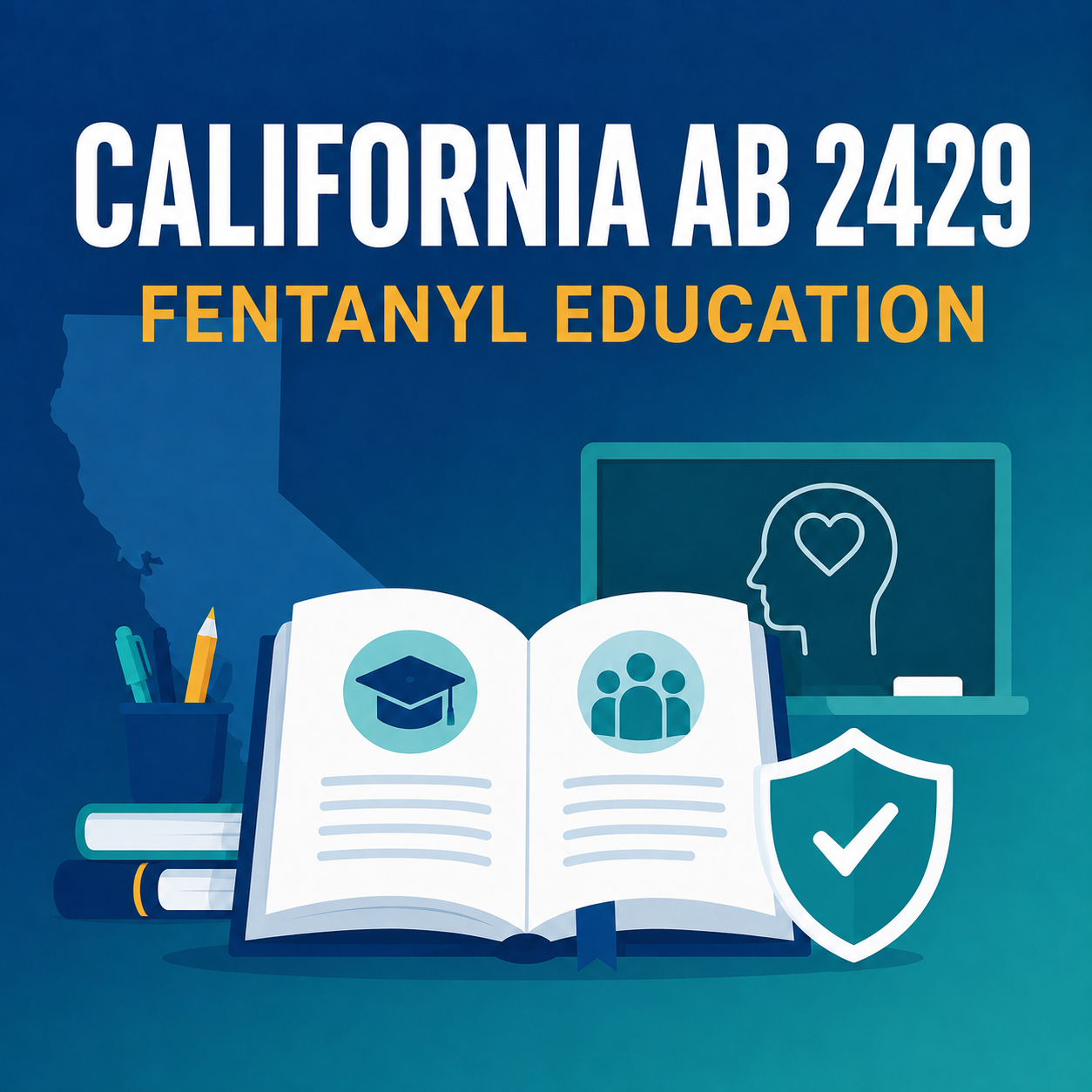
Preparing for CA AB 2429: Fentanyl Education
Beginning in the 2026–27 school year, AB 2429 requires California school districts and charter schools that require a health education course for high school graduation to include instruction on the dangers of fentanyl.
Instruction must explain what fentanyl is and how it is used legally and illegally. It must address fentanyl’s effects, potency, lethal dose, and addictive properties. Students must also learn about counterfeit pills, drugs unknowingly mixed with fentanyl, hypoxia, fentanyl test strips, overdose signs, naloxone, and emergency response.
Read the full text of AB 2429.
Free Curriculum Aligned with AB 2429
.png?ver=9WuhUvBgnnvSgcmxtE6JUQ%3d%3d)
Stanford REACH Lab: Aware & Prepare
This free, two-lesson curriculum includes slides, educator talking points, videos, infographics, and student activities. It covers fentanyl and other opioids, their effects on the brain and body, overdose recognition and response, naloxone, and fentanyl test strips.
Access Stanford’s Aware & Prepare curriculum.
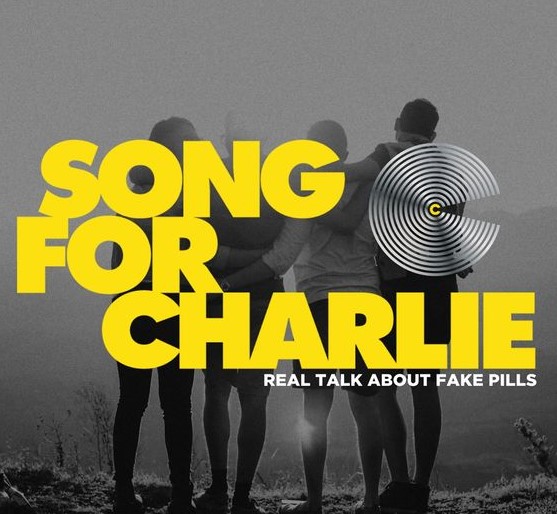
Song for Charlie: Real Talk About Fake Pills
This free educator package includes a short film, guided discussion, prevention messages, and student activities. It covers illicit fentanyl, counterfeit pills, overdose risks and signs, naloxone response, and healthy decision-making. It reinforces the message, “No Random Pills.”
When used with the AB 2429 Companion Addendum, the lesson also covers hypoxia, opioid addiction, fentanyl test strips, and nasal and injectable opioid antagonists.
Access the Real Talk About Fake Pills educator package
.png?ver=PsXSx6S6uyuTTtew7lZHNQ%3d%3d)
Comprehensive Harm Reduction Based Curriculum
This free, 13-lesson curriculum provides high school students with evidence-based education about alcohol, cannabis, nicotine, opioids, fentanyl, and other drugs. It promotes abstinence while also providing practical harm-reduction information for students who may already be using or at risk of using substances.
Access Safety-First Curriculum
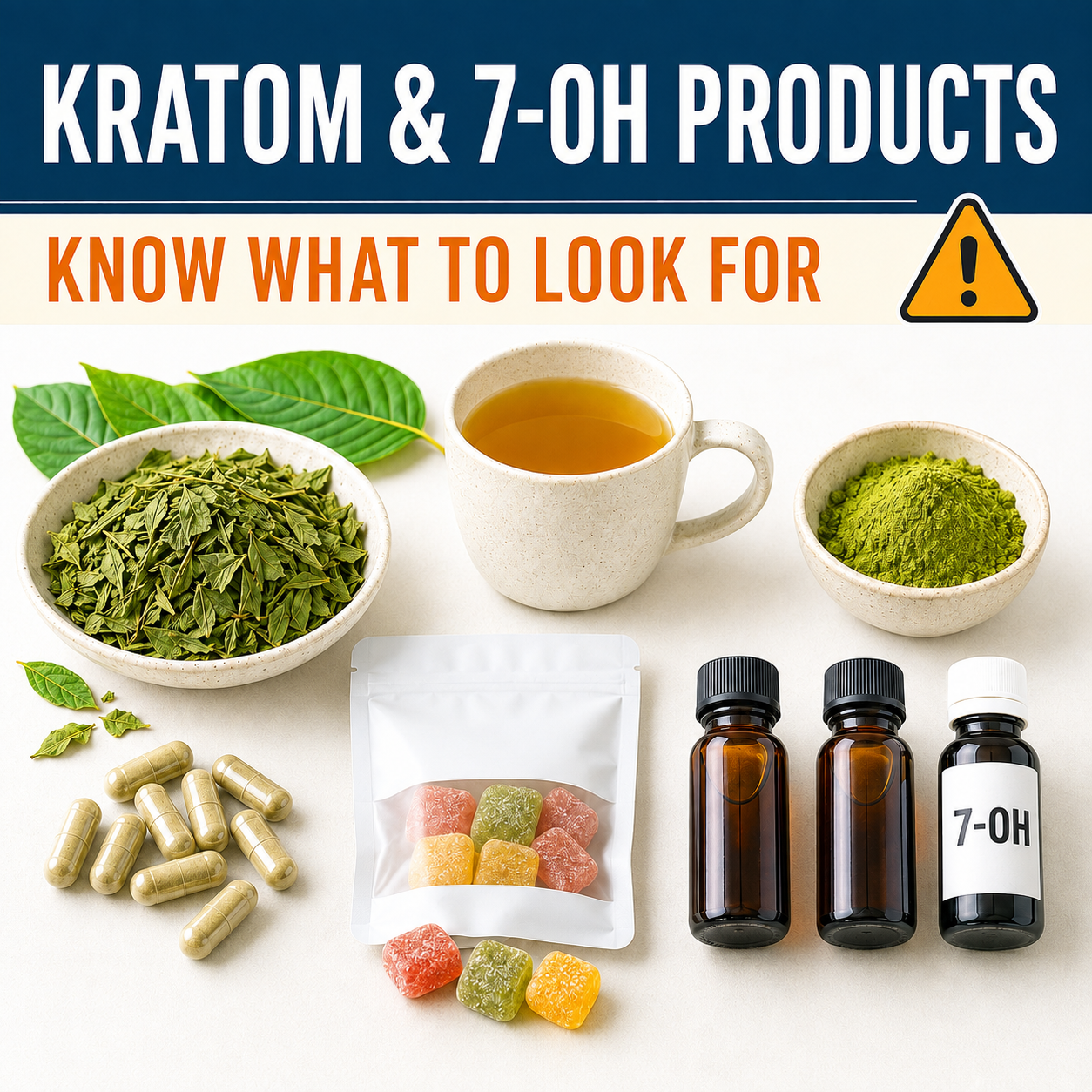
Have You Heard of Kratom?
Kratom comes from the leaves of the tropical Mitragyna speciosa tree. It is sold as leaves, teas, powders, capsules, gummies, and shots. Some products contain concentrated or synthetic 7-hydroxymitragynine (7-OH), a potent opioid derived from the kratom plant. Natural kratom and concentrated or synthetic 7-OH products are not the same.
Why is it a concern? Kratom and its active compounds interact with the body in ways similar to certain opioids. This means kratom can produce opioid-like effects and carries similar risks, including the potential for addiction, withdrawal, overdose, and/or death. Claims that kratom or 7-OH can treat pain, anxiety, or opioid withdrawal have not been proven. The FDA has not approved these products for use in foods, medications, or dietary supplements.
Learn more about Kratom and 7-OH
Upcoming Trainings
.png?ver=PsXSx6S6uyuTTtew7lZHNQ%3d%3d)
Prevention in Action: Connecting TUPE, Youth Leadership, and Expanded Learning
September 5, 2026 | 10:00am - 12:00pm
Join the VCOE TUPE team and Region 8 Expanded Learning team for an interactive workshop on integrating prevention into school and after-school settings. Learn about Tobacco Use Prevention Education (TUPE) and Substance Use Services (SUS), including tobacco prevention, intervention, cessation, fentanyl and opioid education, overdose response, and youth leadership. Participants will receive a resource box with Red Ribbon Week materials, infographics, and other ready-to-use prevention tools.
Register
Beyond Suspension: Effective Strategies for Supporting Student Growth and Success
September 29, 2026 | 12:00pm
Join the Stanford REACH Lab for a virtual training focused on alternatives to suspension. Participants will explore practical strategies that promote student accountability, address substance use, and connect students with education and support while helping them remain engaged in school.
Register
Kratom: What You Need To Know About This Emerging Substance
October 13, 2026 | 12:00pm
Led by Stanford REACH Lab founder Dr. Bonnie Halpern-Felsher, this webinar will cover what kratom is, why it is used, potential health risks, and concerns about youth exposure. Participants will also receive practical guidance and free resources for discussing emerging substances with young people.
Register
Fentanyl and Other Opioids: Critical Information, Prevention and Youth Safety
October 15, 2026 | 12:00pm
Join Stanford REACH Lab’s Dr. Bonnie Halpern-Felsher for current information on fentanyl and opioids, youth exposure, and overdose prevention. The webinar will also share harm-reduction strategies and educational resources for schools, families, and community organizations.
Register
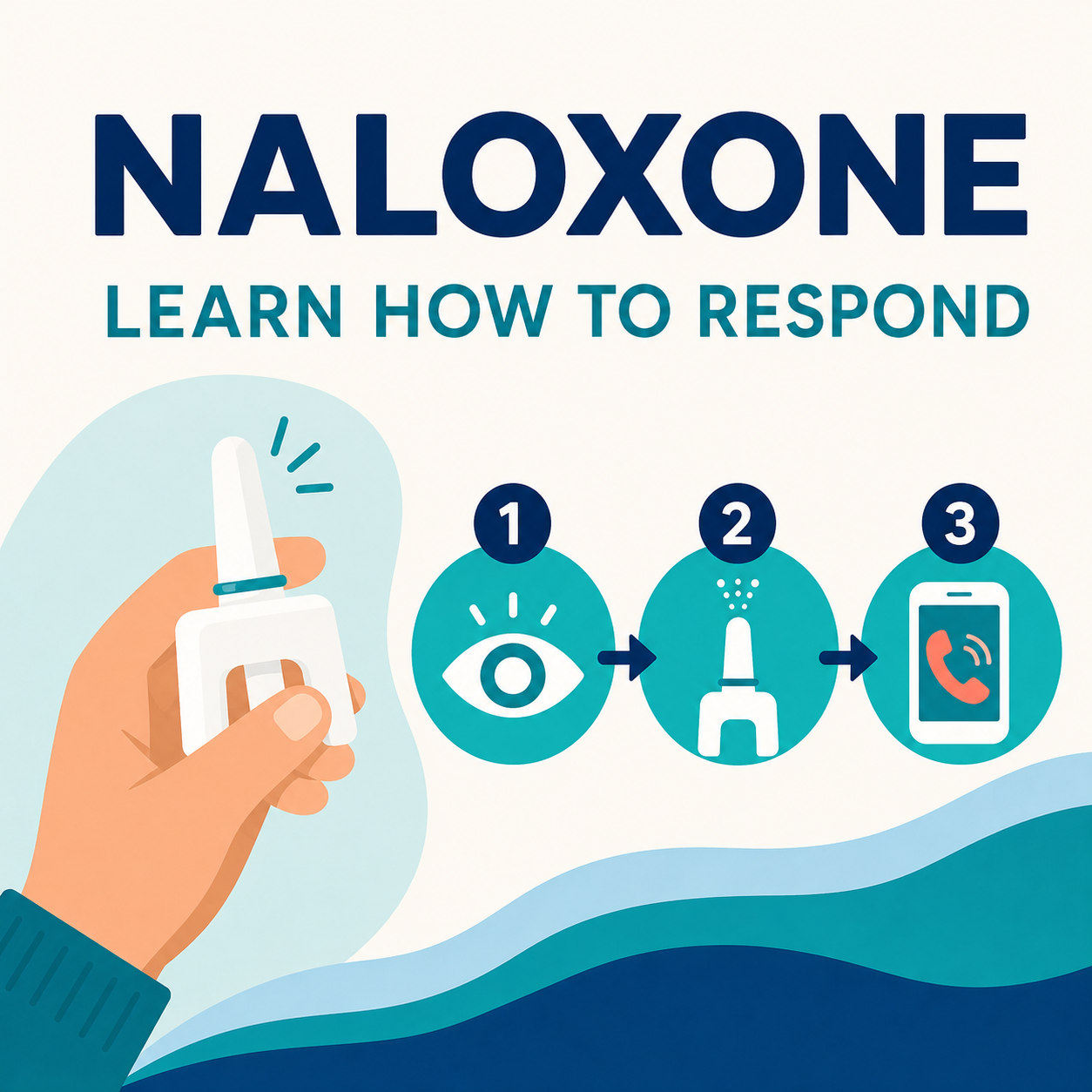
Naloxone: Learn How to Save a Life
Naloxone is a life-saving medication that can temporarily reverse an opioid overdose, including one involving fentanyl or prescription opioids. It is safe and will not harm someone if opioids are not present.
Learn how to recognize an opioid overdose, administer naloxone, call 911, and provide support until emergency help arrives.
Learn about naloxone and access administration training
Ventura County Resources
VCOE Opioid Awareness and Prevention Resources
Find prevention materials, overdose-response information, and resources for educators, students, and families.
COAST Ventura County
Access local overdose data, fentanyl and counterfeit pill information, medication-safety materials, and community resources.
Free Naloxone Public Dispensers
Find free naloxone overdose rescue kits throughout Ventura County.